

How to Get Rid of the Pesky Box around Your Image
Learn how to get rid of the pesky box around your image easily with a free photoeditor, GIMP. Continue reading How to Get Rid of the Pesky Box around Your Image
Learn more about photography and photo-editing in these posts.
Learn how to get rid of the pesky box around your image easily with a free photoeditor, GIMP. Continue reading How to Get Rid of the Pesky Box around Your Image

 In my previous post, I discussed the concept of shutter speed and the basic settings to use. Normally, one would use a fast shutter speed such as 880, or 1000 or more, for fast-moving subjects. An example of this is in sports photography. When shooting subjects with slower movements, or none at all, a photographer can use slower shutter speeds. An example of these photos would be a portrait or landscape.
There are times, however, when a photographer may want to use a slower shutter speed with fast-moving subjects to convey the feeling of motion. Photographers can do this by using a technique known as panning. Continue reading “Panning in Photography (Guest Post)”


If you have kids at home you may already be aware of the free app on the iPad2, PhotoBooth. (If you’re missing out on all the hilarious faces, PhotoBooth is the first app listed in this article, 20 best iPad2 apps, and shows you a sample of all the carnival-mirror photos you can take of you and your family and friends with the iPad2’s forward-facing camera.)
My sister told me about some beautiful garden images they took with her iPad and the Thermal Camera setting, Continue reading “Fun at Lake Hart with iPad’s PhotoBooth App”

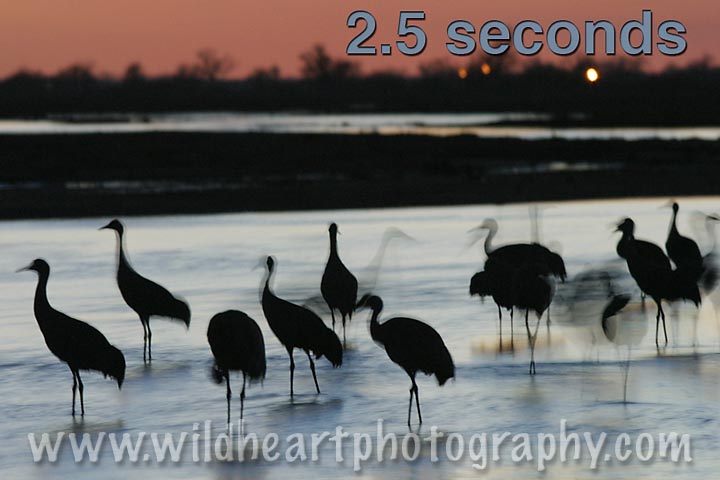 So what is shutter speed and why should you be concerned with it? Simply put, shutter speed is the length of time the shutter inside the camera is opened, exposing the camera’s sensor to light. Knowing this is important for a number of reasons. I’ll focus on one of those reasons in this entry. Continue reading “Shutter Speed for Creative Photography, Part One (Guest Post)”

Finding useful sites on the internet can be overwhelming, but the editors at bing.com have done some of the searching for you. Continue reading Bing Editors’ Picks

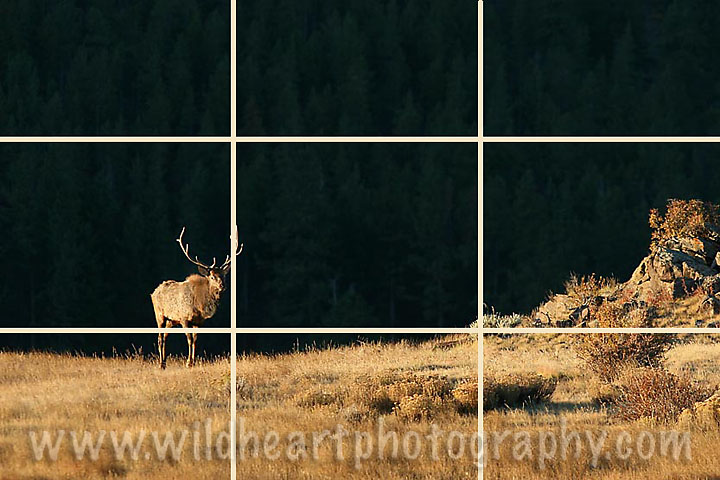
Knowing and mastering the rule of thirds is a simple way to push your photography to a higher level. The rule of thirds is one of the basic rules of art design. It is taking our photo frame and mentally placing a tic-tac-toe screen over it. Where the lines intersect are the “sweet spots” in which to place the important elements of a photograph. We should always keep our horizon lines on or above the top third of an image (mountain lake photo, below) or on or below the bottom third of an image (elk photo). The classic vacation sunset shot with the sun smack in the middle of the photograph is not good. Continue reading “The Rule of Thirds in Photography (Guest Post)”
 eQuipping for eMinistry